Why did Charles Dickens write the novel you're reading/reviewing? What
in your analysis of literary techniques led you to this conclusion?
(Make sure to include textual support illustrating Dickens' use of at
least three techniques we've studied/discussed this year.)
The Charles Dickens novel I read was Great Expectations. This book was originally featured in a magazine and two chapters were published every week. I believe Dickens wrote this novel to show the dichotomy between the upper and lower class of England. "I had heard of Miss Havisham up town—everybody for miles round, had
heard of Miss Havisham up town—as an immensely rich and grim lady who
lived in a large and dismal house barricaded against robbers, and who
led a life of seclusion." Miss Havisham is a wealthy lady who helps Pip become an apprentice for Joe. Though she has a lot of money, she is a very lonely person as her fiance left her at the wedding altar hours before the wedding. Though Pip was raised in a different environment than Miss Havisham, he was always happy and positive about everything. "I took the opportunity of being alone in the court-yard, to look at my
coarse hands and my common boots." Dickens's use of imagery helps readers to visualize Pip. When Estella comments on Pip's hands
and boots, he becomes very self-conscious and rethinks everything about
his life.''I wished Joe had been rather more genteelly brought up, and then I should have been so too.'' Ever since Pip started visiting Miss Havisham and Estella, he became more ashamed of his life. By contrasting Pip as a boy and Pip as a teenager, we can see how a glimpse into the life of the wealthy has changed him.
Monday, January 27, 2014

Friday, January 24, 2014
Lit Terms #4
Interior monologue: A piece of writing expressing a character's inner thoughts
Inversion: When the normal order of words is reversed in order to achieve a particular effect of emphasis
Juxtaposition: When two or more ideas, places, characters, and their actions are placed side by side in a narrative or poem for compare and contrast
Lyric: A type of poetry that explores the poets personal interpretation of and feelings about the world
Magic(al) realism: A literal genre or style that incorporates fantastic or mythical elements into otherwise realistic fiction
Metaphor (extended, controlling, & mixed):
Extended: a metaphor that is extended or develops as far as te author wants to take it
Controlling: a symbolic story in which the real meaning is not directly put across the whole poem
Mixed: a metaphor that has gotten out of control and mixes it's terms so they are visually imaginatively incompatible
Ex: The president is a lame duck who is running out of gas
Metonymy: A word that is used to stand for something else that it has attributes for or is associated with
Modernism: rejection of 19th century traditions
Monologue: A dramatic soliloquy
Mood: The atmosphere of the story
Motif: object or idea that repeats itself through the literary piece
Myth: A story dealing with supernatural beings or heroes
Narrative: A collection of events that tells a story either through telling or writing
Narrator: One who tells a story
Naturalism: A literary movement seeking to depict life as accurately as possible
Novelette/novella: An extended fictional prose narrative that is longer than a short story but not quite a novel
Omniscient point of view: When the reader is seeing and all knowing
Onomatopoeia: Words that sound like what they mean
Ex: Pop!
Oxymoron: A phrase composed of opposites; a contradiction
Pacing: The way the author speeds up or slows down the story
Parable: A story that instructs
Paradox: A situation it statement that seems to contradict itself, but on closer inspection, it does not
Tuesday, January 21, 2014
Lit Terms #3
Exposition: part of story where characters and setting are introduced and background information is given
Expressionism: writing approach in which a writer depicts a character's feelings about a subject rather than the objective surface reality of the subject
Fable: a short story that teaches an explicit moral or lesson
- The Boy Who Cried Wolf
Fallacy: a statement or argument based on a false inference; erroneousness
- The cereal must be good because it says so on the box.
Falling action: the action and dialogue following the climax that lead the reader into the story's end
Farce: type of comedy that relies on exaggeration, horseplay, and unrealistic or improbable situations to provoke laughter
Figurative language: language that has meaning beyond the literal meaning
- simile, metaphor, hyperbole, personification
Flashback: interruption of the chronological order to present something that occurred before the beginning of the story
Foil: another character in a story who contrasts with the main character usually to highlight one of their attributes
- Harry Potter and Lord Voldemort
Folk tale: stories passed along from one generation to the next by word-of-mouth rather than written text
-The Three Little Pigs
Foreshadowing: important hints that an author drops to prepare the reader for what is to come, and help the reader anticiate the outcome
Free verse: poetry that does not conform to a regular meter or rhyme scheme
Genre: type of form of literature, music, ect.
- country, fiction, mystery
Gothic tale: ? tale used to thrill readers by providing mystery accounts of murder and the supernatural
-Jane Eyre; Frankenstein
Hyperbole: exaggeration that is powerful and purposeful
- I've told you a million times!
Imagery: a term that incorporates all sensory perceptions
-He fumed and charged like a bull.
Implication: an indirect indication; a suggestion
Incongruity: when two unlike objects or people are put together in a story
-Lady who appears well groomed but has a messy house
Inference: to gain meaning from something that is not directly said
-The house is dark and quiet. You can infer there is nobody home.
Irony: technique that involves amusing contradictions or contrasts
-titanic promoted as being 100% unsinkable but it sank
Expressionism: writing approach in which a writer depicts a character's feelings about a subject rather than the objective surface reality of the subject
Fable: a short story that teaches an explicit moral or lesson
- The Boy Who Cried Wolf
Fallacy: a statement or argument based on a false inference; erroneousness
- The cereal must be good because it says so on the box.
Falling action: the action and dialogue following the climax that lead the reader into the story's end
Farce: type of comedy that relies on exaggeration, horseplay, and unrealistic or improbable situations to provoke laughter
Figurative language: language that has meaning beyond the literal meaning
- simile, metaphor, hyperbole, personification
Flashback: interruption of the chronological order to present something that occurred before the beginning of the story
Foil: another character in a story who contrasts with the main character usually to highlight one of their attributes
- Harry Potter and Lord Voldemort
Folk tale: stories passed along from one generation to the next by word-of-mouth rather than written text
-The Three Little Pigs
Foreshadowing: important hints that an author drops to prepare the reader for what is to come, and help the reader anticiate the outcome
Free verse: poetry that does not conform to a regular meter or rhyme scheme
Genre: type of form of literature, music, ect.
- country, fiction, mystery
Gothic tale: ? tale used to thrill readers by providing mystery accounts of murder and the supernatural
-Jane Eyre; Frankenstein
Hyperbole: exaggeration that is powerful and purposeful
- I've told you a million times!
Imagery: a term that incorporates all sensory perceptions
-He fumed and charged like a bull.
Implication: an indirect indication; a suggestion
Incongruity: when two unlike objects or people are put together in a story
-Lady who appears well groomed but has a messy house
Inference: to gain meaning from something that is not directly said
-The house is dark and quiet. You can infer there is nobody home.
Irony: technique that involves amusing contradictions or contrasts
-titanic promoted as being 100% unsinkable but it sank
Thursday, January 16, 2014
Lit Terms Remix 1-5
Circumlocution: when a writer uses very long and complex sentences to convey a meaning that could have been done in short sentences

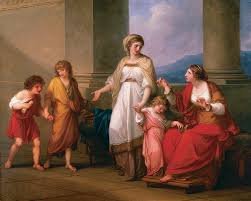
Classicism: art, literature, and music reflecting the principles of ancient Greece and Rome tradition and reason

Cliché: overused expression that lose their original meaning
"He was scared to death."
Climax: point at which the conflict is the highest point


Colloquialism: use of informal words, phrases, or even slangs


Classicism: art, literature, and music reflecting the principles of ancient Greece and Rome tradition and reason

Cliché: overused expression that lose their original meaning
"He was scared to death."

Climax: point at which the conflict is the highest point

Colloquialism: use of informal words, phrases, or even slangs

Tuesday, January 14, 2014
Lit Terms #2
Circumlocution: when writer uses very long and complex sentences to convey a meaning that could have been done using short sentences
- "At about 8 pm was when he reached the dinner party." Instead of "He arrived at 8."
Classicism: art, literature, and music reflecting the principles of ancient Greece and Rome tradition and reason
-the writer Homer
Cliché: overused expressions that lose their original meaning
- frightened to death
Climax: point at which the conflict is the highest point
- Climax in Cinderella is when the prince tries to find out whose shoe he has.
Colloquialism: use of informal words, phrases, or even slangs
-wanna=want to
Comedy: amusing event designed to provide entertainment or produce laughter
-Bob had his shirt on backwards.
Conflict: problem the protagonist of the story comes across
-Mary wanted to win the gold medal in track but she broke her leg.
Connotation: when words create emotions or feelings in the reader
-The autumn leaves were falling. (autumn=coming to an end)
Contrast: when an idea or object is used in opposition of another
- Her style when she was younger is much different than her style today.
Denotation: the literal/dictionary definition of a word
-They built a house. (house=literal while home could mean something else)
Denouement: final outcome of a story after the climax and plot; all loose ends are tied up
- in Romeo and Juliet the denouement is after they kill each other and their deaths are explained to their families
Dialect: language used by people of a specific area, class, or district
- "Yo, what's up?"
Dialectics: pertaining to the nature of logical argumentation
Dichotomy: the split or break between two opposing things
- dichotomy of good and evil
Diction: distinctive tone/ wording of an author
- Shakespeare "thy" "thee"
Didactic: intended for instruction
- The school textbooks were didactic.
Dogmatic: asserting opinions in an arrogant manner
- That club is for people with no lives.
Elegy: a poem or song written in honor of someone deceased
Epic: a narrative celebrating the feats of a hero
-Beowulf
Epigram: a remark expressing an idea in a clever and amusing way
-"I can resist everything but temptation." -Oscar Wilde
Epitaph: inscription on a tomb about the deceased person
- "Loving friend and mother."
Epithet: used as a descriptive device usually added to a person's name
- "Alexander the Great"
Euphemism: to say something harsh in a pleasant manner
- You are becoming a little thing at the top. (bald)
Evocative: calling forth memories and sensations
- The smell of pie reminded her of last thanksgiving.
Monday, January 13, 2014


Thursday, January 9, 2014
AP Prep Post 1: Siddhartha
1) Siddhartha features
substantial activity and narrative action. At the same time, it
is about one man’s largely internal spiritual quest. What is the
relationship between the internal and exterior worlds of Siddhartha?
How does Siddhartha negotiate these worlds?
http://www.sparknotes.com/lit/siddhartha/study.html
- From the passage reading I believe Siddhartha's internal and exterior worlds are very contradicting. After reading the letter Siddhartha comes to a point of realization that throws off his original ways of thinking. He eventually ends up trusting in himself to decide the correct path that is right for him.
- This questions tells me that I should focus a lot on Siddhartha's way of thinking. I should pay attention to the steps he takes to come to the conclusion that he did and study it. This will tell me a lot about his character as well as why he chose what he did.
2) Discuss the
ways Siddhartha attempts to attain spiritual enlightenment. Which
approaches are successful? Which ones are not successful, and which
ones have limited effectiveness? How does Siddhartha progress from
one approach to the other?
http://www.sparknotes.com/lit/siddhartha/study.html
- From the passage reading I believe Siddhartha's internal and exterior worlds are very contradicting. After reading the letter Siddhartha comes to a point of realization that throws off his original ways of thinking. He eventually ends up trusting in himself to decide the correct path that is right for him.
- This questions tells me that I should focus a lot on Siddhartha's way of thinking. I should pay attention to the steps he takes to come to the conclusion that he did and study it. This will tell me a lot about his character as well as why he chose what he did.
http://www.sparknotes.com/lit/siddhartha/study.html
- Due to the fact that I only read the passage and not the whole story, I can't answer this question. However, if I were to answer this question I would need to pay attention to the actions of Siddhartha, even his failures. I would also pay attention to how he reacts to these failures and see if he learns anything at all from them.
- To master the AP test I will focus a lot on the characters of the stories. I will try and characterize them as I read and highlight important sentences that might be helpful when it comes to answering questions such as this one.
3) Consider
Siddhartha’s relationship with Govinda. How are they similar, and
how are they different? What are the narrative functions of Govinda’s
reappearance throughout the novel? How does their relationship impact
the novel’s ending?
http://www.sparknotes.com/lit/siddhartha/study.html
- To answer this question I would look at both Siddhartha's and Govinda's personalities. I would see how they react together and take notes so I could easily compare them.
- This question tells me that I should to work on my comparison and contrast skills for the AP test.
4) What does enlightenment look like in Siddhartha? Is it a feeling? An attitude?
http://www.shmoop.com/siddhartha/questions.html
- I think Siddhartha's enlightenment is an attitude because after he comes to his realization he changes as a person. He decides to do what is best for him and not for anybody else.
- This question tells me that I should pay close attention to a character's reaction and see how it changes them as a person. By comparing their character before and after the reaction, I will be able to see any changes.
5) What purpose does self-denial serve in Siddhartha? What about self-indulgence?
http://www.shmoop.com/siddhartha/questions.html
- To answer this question I would again just take notes on Siddhartha as a character. I would study how he reacts in different scenarios and see how he learns from each one.
- For the AP test I think I definitely should study characterization. A lot of these questions have to do with answering questions about Siddhartha and how he changes and finds himself.
Subscribe to:
Posts (Atom)